Best Time to Snorkel in Cancun: Month by Month
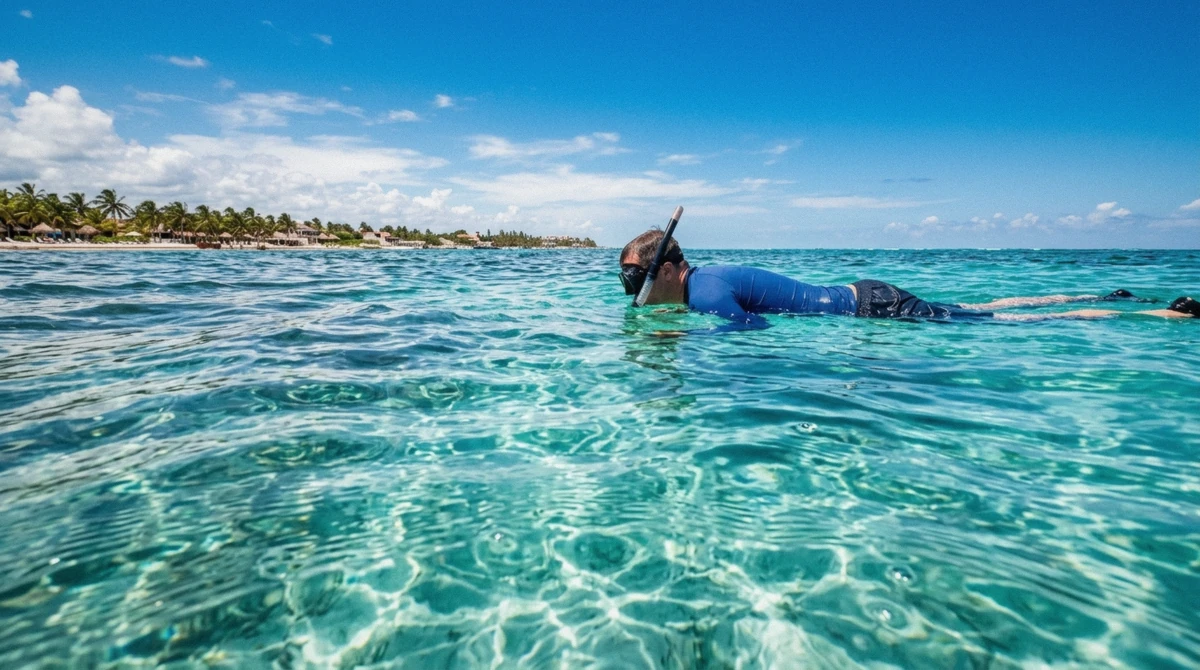
The best time to snorkel in Cancun is December through March, when sargassum is at its lowest and cold fronts, while frequent, tend to be shorter than the storms of midwinter. The runner-up window is November, calm water before the fronts really start. The month to avoid is July, the peak of both sargassum season and hurricane-season humidity, with the crowds of summer vacation on top. Sea temperature barely moves all year, so nothing here is about warmth, it's about what's floating on the surface and whether your boat sails on the day you booked. Compare Cancun snorkeling tours that run all year once you've picked your dates.
Quick answer
The best time to snorkel in Cancun is December through March, when beaches carry the least sargassum and boat trips run with the fewest weather disruptions. Cold fronts do pass through this window, so book with free cancellation and a spare day if your trip is short.
Key takeaways
- December through March is the clearest window; November is a calmer runner-up before the fronts pick up, and the two-stop reef trip at $45 runs all year
- July is the month to avoid, sargassum peaks and it's deep in hurricane season
- Winter buys clear water but a cold front can close the port for a day or two with 48 to 72 hours' notice
- Underwater visibility does not follow a clean seasonal pattern the way people assume, it's driven by weather events, not the calendar
- Whale shark season runs mid-May through mid-September, the opposite of the best snorkeling window; the Isla Mujeres sailing trip is the sheltered-water option in that stretch
- Morning departures, typically 8 to 10am, beat any month you pick
Seasons at a Glance
Read the Verdict column as the short version, the tables underneath fill in the numbers.
| Month | Sargassum/Conditions | Weather | Crowds | Verdict |
|---|---|---|---|---|
| January | Clearest window | Cool, driest month with December | Moderate, holiday tail-off | Best overall |
| February | Clear, low sargassum | Warm, dry, cold fronts common | Moderate | Excellent |
| March | Sargassum starting | Driest month of the year | Rising | Very good |
| April | Sargassum building | Hot, dry | Rising, spring break | Good |
| May | Season begins in earnest | Hot, rain returns | High | Fair |
| June | Building toward peak | Hot, wet, hurricane season opens | High, school holidays start | Fair |
| July | Peak sargassum | Hot, humid, canícula dip in rain | Peak | Avoid, worst combination |
| August | Peak sargassum | Hottest month | Peak | Avoid |
| September | Still heavy | Wettest hurricane peak | Lower, shoulder | Skip unless flexible |
| October | Improving | Wettest month by rainfall | Lower | Fair, watch the forecast |
| November | Clearing | Cooling, nortes begin | Lower | Good runner-up |
| December | Clear window opens | Cool, dry | Rising toward holidays | Best overall |
Two months tie for the top verdict, January and December, both sitting in the clear, low-sargassum window; July and August tie for the bottom, both deep in peak sargassum and peak heat.
Temperatures and Rainfall
Typical figures for the Cancun area; treat every number as a long-term average, not a forecast.
| Month | High | Low | Rain |
|---|---|---|---|
| January | 28.7°C | 20.0°C | 103.8mm |
| February | 30.1°C | 20.6°C | 59.3mm |
| March | 31.5°C | 21.4°C | 38.7mm |
| April | 33.1°C | 22.9°C | 42.3mm |
| May | 34.2°C | 24.2°C | 87.0mm |
| June | 34.0°C | 24.9°C | 184.4mm |
| July | 34.8°C | 25.0°C | 67.0mm |
| August | 35.1°C | 25.0°C | 102.2mm |
| September | 34.2°C | 24.6°C | 181.5mm |
| October | 32.2°C | 23.7°C | 277.1mm |
| November | 30.3°C | 22.3°C | 131.4mm |
| December | 29.4°C | 21.0°C | 96.6mm |
October is the wettest month by a wide margin at 277.1mm, and March and April are the driest at under 43mm each. Figures are the 1991 to 2020 normals for station Cancún (23155), reported by the Servicio Meteorológico Nacional, Mexico's national weather service; check the current forecast close to your dates.
Best Season by Traveler Type
If you're a photographer
aim for December through February, when clear water and low sargassum give the cleanest underwater shots.
If you're traveling with kids
January or February combine calm, warm conditions with the lowest chance of a sargassum-buried beach.
If this is your first time snorkeling
come in December, the most forgiving month, clear water without the deep-winter cold front frequency of February and March.
If you want to see whale sharks
book July or August specifically for that, even though it's the worst window for reef snorkeling otherwise.
If you're on a tight budget
September offers lower crowds and softer prices, but confirm sargassum conditions close to your dates since it's still a heavier month.
Winter (December to February): Clearest Water, Real Cold-Front Risk
Winter is the clearest window of the year for sargassum, with the traffic-light beach monitors showing far more green and blue readings than any other stretch. Air highs run 28 to 30°C, and sea temperature holds at a genuinely comfortable 25 to 27°C, this coast has almost no cold season underwater.
- Sargassum: at its lowest all year, most reliably clear December and January
- Cold fronts: this is also nortes season, September through May, with December through February historically the peak stretch of front activity
- Booking lead time: book 1 to 2 weeks ahead for holiday weeks (Christmas, New Year), otherwise a few days is usually enough
- The Puerto Morelos two-stop reef tour runs its full morning schedule right through winter, weather permitting
Spring (March to May): Driest Air, Sargassum Building
March is the driest month of the year by rainfall, and early spring often still carries winter's clear water. By late April and into May, sargassum season is underway in earnest and afternoon heat builds fast.
- Sargassum: starting in March, building through April and May
- Crowds: rising through spring break in March, easing slightly by May
- Price signal: spring break weeks run at a premium; late April and May are more moderate
- The Isla Mujeres sailing and snorkeling tour is a good spring pick since Isla Mujeres tends to stay clearer than the mainland coast even as sargassum builds
Summer (June to August): Peak Sargassum, Peak Heat
This is the window to actively avoid for reef snorkeling if flexibility allows it. Sargassum peaks in this stretch most years, air highs push past 34°C, and it's the start of hurricane season.
- Sargassum: worst of the year, typically May through August, peaking around June and July
- Weather: hurricane season opens June 1, though the climatological peak isn't until September
- Crowds: peak, school-holiday season across North America and Europe
- Boat tours still run largely unaffected, since sargassum piles up on the beach, not out in open water where reef trips depart
Fall (September to November): Wettest Skies, Improving Water
September carries the hurricane season's climatological peak, and October is the single wettest month on the calendar by rainfall. Conditions improve steadily through the season, and by November the water is clearing again ahead of winter.
- Sargassum: still heavy into September, clearing through October and November
- Weather: hurricane peak around September 10, most Atlantic activity mid-August to mid-October
- Crowds: the year's quietest stretch, especially September and October
- The 5-in-1 tour runs year-round and is a reasonable fall pick if you want a full day regardless of any single reef stop's conditions that week
What Actually Affects Conditions
Most people assume winter equals worse water and summer equals better water, the reverse of what actually happens on this coast. The real driver of underwater visibility here isn't the wet or dry season at all. A long-term study of Puerto Morelos found no meaningful seasonal pattern in water clarity, visibility is instead knocked down episodically by wind events, cold fronts stirring the water column, and by sargassum mats blocking light near the surface.
The clean seasonal story people expect, better visibility in the dry months, doesn't hold up against the actual measurements.
- Wind, not rainfall, is the main driver of short-term visibility loss
- Sargassum affects surface conditions and beach access more than deep visibility
- There is no reliable month-by-month visibility number to publish here, no source supports one, treat visibility as roughly 15 meters inside the lagoon and 20 meters or more on the outer reef, year-round, with occasional episodic drops
Whale Shark and Turtle Seasons
Two wildlife windows worth planning around, separate from the general reef-snorkeling calendar above.
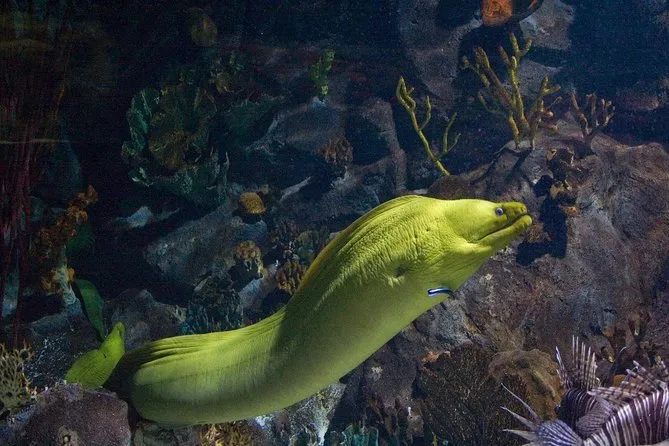
- Peak season, you'll typically see: whale sharks, mid-May through mid-September, strongest July and August, over 800 individuals expected in the Mexican Caribbean some seasons
- Peak season, you'll typically see: nesting sea turtles at Puerto Morelos beaches, May through September, extending into November in some years
- Off-peak, expect: no whale shark tours running outside the regulated season window
- Off-peak, expect: turtles still present in the water year-round at spots like Akumal, though sightings there aren't formally studied by season
Best Time of Day
Morning wins in every month on this coast, and by a real margin. Wind and boat traffic both build through the day, so an 8 to 10am departure like the Puerto Morelos two-stop tour puts you on the water while conditions are calmest and before the mid-morning tour groups arrive. There's no honest exception here, afternoon isn't a secretly-better option in any season, it's simply the busier, choppier half of the day.
Crowds and Prices Through the Year
Beyond the general seasonal pattern above, two specific windows fill up fast: the week around Christmas and New Year, and North American spring break in March. Book those specific weeks two to three weeks ahead if you can. Outside those weeks, a few days' notice is usually enough, even in winter's clear-water peak.
What If the Weather Turns?
Light rain rarely stops a snorkeling trip, boats keep running through passing showers. A real cold front is different, the Capitanía de Puerto can close specific ports to specific vessel sizes with 48 to 72 hours' notice, and the winter months carry the most front activity of the year. If your boat is cancelled for a port closure, the standard is a rebooking or refund, confirm the specific policy with your operator when you book.
Building one spare day into a winter trip is the single best insurance against this. For the full mechanics of port closures and what actually happens if a tour is cancelled for weather, see our Cancun weather cancellation guide.
So, When Should You Go?
December through March remains the best overall window, clear water and low sargassum, with a real but manageable chance of a cold-front delay you can plan around with a spare day. November is the calmer, less-crowded runner-up right before the fronts pick up. July sits at the bottom of the list, the peak of both sargassum and heat, and it's the one stretch worth actively avoiding if your dates are flexible.
Whatever month you land in, an early boat and a checked forecast beat the calendar every time. If you're still deciding whether to snorkel here at all, see our honest look at whether snorkeling in Cancun is worth it.
Frequently Asked Questions
What is the single best month to snorkel in Cancun?
January edges out the rest of the winter window, clear water, low sargassum, and shorter cold fronts than February typically brings.
Is snorkeling in Cancun good during hurricane season?
It's workable outside the September peak, but June through November is the official Atlantic hurricane season, and sargassum also runs heaviest May through August. If your trip falls in this window, book with free cancellation.
When does sargassum season end in Cancun?
It typically clears through October and November, with December through March being the most reliably clear stretch. 2026 has been a record year in Quintana Roo, so check live beach conditions close to your dates rather than relying on the average.
Does visibility get better in the dry season?
Not by a measured pattern, no. A long-term Puerto Morelos study found no significant seasonal visibility swing; wind events and sargassum, not the wet or dry season, are what actually knock down clarity.
When is whale shark season near Cancun?
The regulated tour season runs mid-May through mid-September, strongest in July and August, though Mexico's park authority lists April through September as the broader viewing window.
How far in advance should I book in winter?
A few days is usually enough outside holiday weeks. Book 1 to 2 weeks ahead for the Christmas and New Year stretch specifically, since that week fills fast even in the low-sargassum season.
What happens if a cold front cancels my snorkeling tour?
Ports can close to specific vessel sizes with 48 to 72 hours' notice during a strong cold front, most common December through February. Standard practice is a rebooking or refund; confirm the exact policy with your operator.